



As the Pattaya market transitions from the low season into the crucial year-end high season, the macroeconomic landscape is undergoing a profound recalibration. Investors and property managers are navigating a shift away from speculative, future-infrastructure-driven valuations toward present-day intrinsic value and yield generation.
Based on official Q1–Q3 2026 data and the latest legislative updates, this report details the structural changes currently defining the sales and rental sectors in Pattaya.
1. Demographic Shifts in Sales and Tourism
The demographic composition of foreign buyers and tourists in Thailand has experienced a definitive realignment in 2026, heavily influencing both retail foot traffic and real estate liquidity.
The Russian Surge in Real Estate (Real Demand): According to H1 2026 data from the Real Estate Information Center (REIC), the overall foreign condominium market saw a 1.5% year-over-year contraction in transfer value. Notably, Chinese transfer values plummeted by 27.7%. In stark contrast, Russian condominium acquisitions surged by 75.9%, totaling 3.6 billion THB. Crucially, this capital is bypassing Bangkok and concentrating heavily in resort hubs like Pattaya (Chonburi) and Phuket.
These Russian cash buyers represent solid, immediate real demand, purchasing completed properties for long-term residency and capital safety.
Reference: The Nation – Russian condo purchases surge 75.9%
Tourism Demographics (Short-Haul vs. Long-Haul): The latest Ministry of Tourism and Sports (MOTS) data reveals a bifurcation in tourist arrivals. Short-haul Asian markets are driving sheer volume, with Chinese arrivals up 16.1% (reclaiming the #1 spot), supported by strong growth from Taiwan (+6.6%) and a stable influx of Indian tourists to Pattaya. Conversely, traditional long-haul European markets are softening (UK -3.4%, Germany -2.1%).
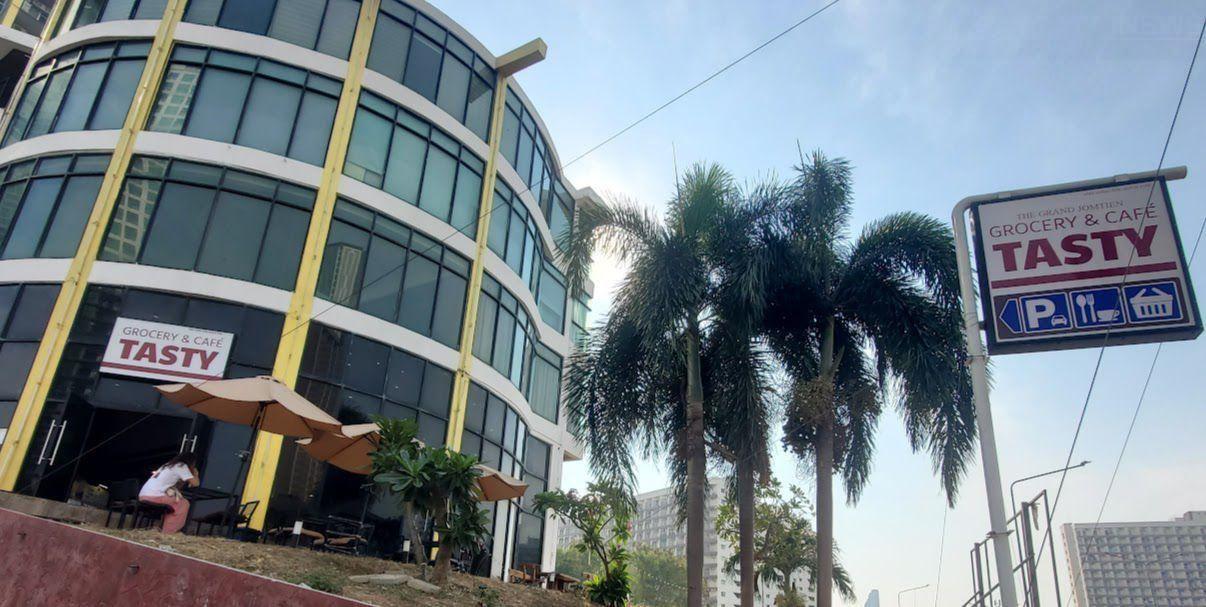
Business Impact: The massive volume of Asian tourists requires on-site retail infrastructure (like Tasty minimarts) to cater to short-term, high-frequency consumer needs. However, for property sales and legal long-term leasing, the market remains heavily reliant on the purchasing power of Russian expats and Western digital nomads.
2. Regulatory Environment and Visa Policy Changes
Anticipated statutory reforms to stimulate foreign investment have stalled, while immediate visa regulations have tightened, directly impacting rental strategies.
Stagnation of the 99-Year Lease and 75% Quota: Earlier this year, the Thai government heavily debated expanding the foreign condominium ownership quota from 49% to 75% and introducing a 99-year leasehold framework to boost the Eastern Economic Corridor (EEC). As of October 2026, these proposals remain stalled in legislative limbo.
Furthermore, crackdowns on illegal nominee companies have intensified. Investors are strongly advised to secure assets strictly within the legal 49% Freehold quota rather than banking on unpassed reforms.
Reference: LAFS Legal – Foreign Property Ownership in Thailand.
Visa Exemptions Reduced to 30 Days: Effective September 15th, 2026, the visa-exempt stay for tourists from 60 countries and territories (including Japan, the US, and the UK) was officially reduced from 60 days to 30 days.
Reference: VisasNews – Thailand to officially cut visa-free stay to 30 days
Maturation of the Monthly Rental Market: This visa reduction, combined with strict enforcement of the Hotel Act against illegal daily/weekly rentals (under 30 days), forces a market evolution. Transients will shorten their trips, while serious long-term visitors are acquiring Destination Thailand Visas (DTV). Consequently, there is an escalating demand for fully compliant, 30+ day monthly rental contracts.
3. Infrastructure Outlook: High-Speed Rail Uncertainty
The primary catalyst for speculative capital appreciation in the EEC, the major transport infrastructure pipeline, has reached a critical impasse.
The 3-Airport High-Speed Rail Deadlock: The CP Group-led consortium (Asia Era One) overseeing the high-speed rail project connecting Don Mueang, Suvarnabhumi, and U-Tapao airports issued an ultimatum to terminate their contract by September 30th, 2026, citing unviable financials and land handover delays.
Valuation Shift: Selling properties based on “future rail proximity” is no longer viable. Buyers now demand properties with existing, fully operational lifestyle infrastructure.
4. Strategic Positioning for AMS and Tasty
The current macroeconomic climate heavily favors assets that provide immediate convenience and regulatory compliance. The integration of AMS Real Estate operations with the Tasty retail brand establishes a formidable competitive moat in this environment.
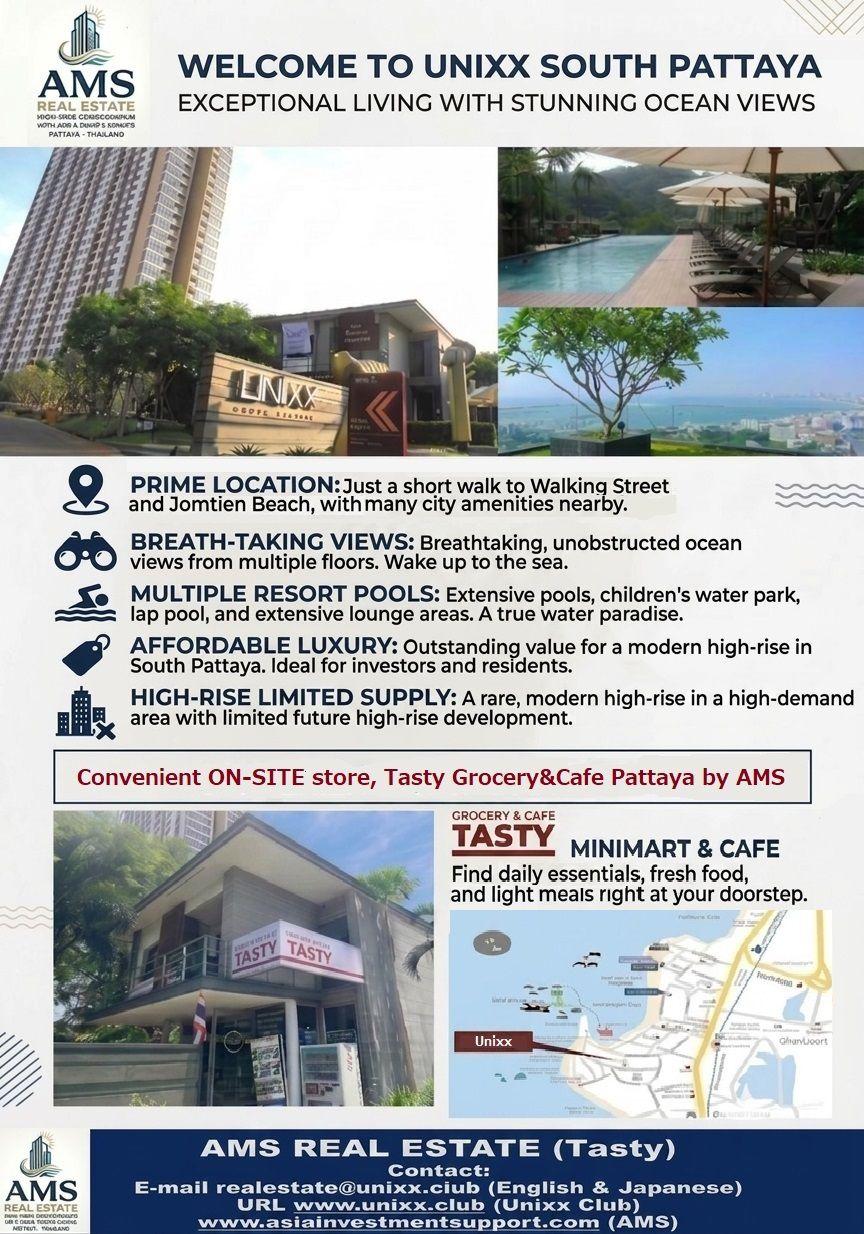
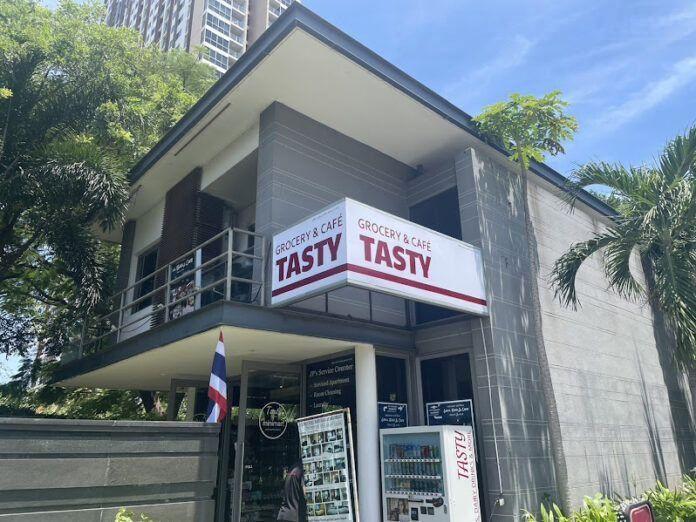
At properties like Unixx South Pattaya, the presence of high-hygiene, Japanese-quality Tasty grocery stores and cafes directly answers the market’s demand for present-day lifestyle infrastructure. For the influx of short-term Asian tourists, Tasty captures retail spending through tailored, ready-to-eat products and cafes.
Simultaneously, for Russian cash buyers and Western long-term renters securing compliant 30+ day leases, the on-site convenience of Tasty serves as the decisive factor in tenant acquisition and property valuation heading into the high season.