PATTAYA, August 18, 2026
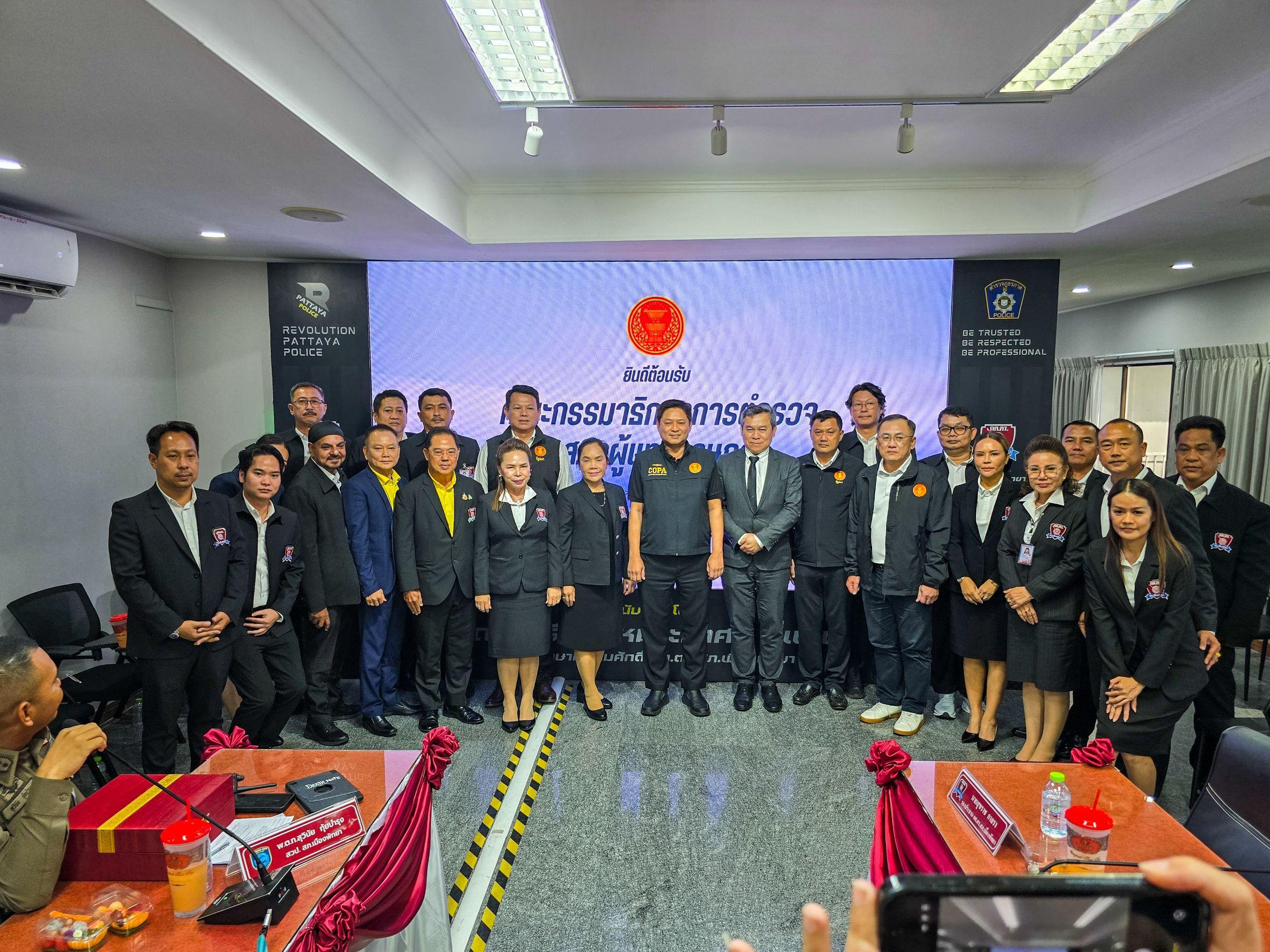
A parliamentary police committee has conducted a field visit to Pattaya to examine ways to elevate the role and authority of Police Administration Inspection and Monitoring Committees (known as KTTR), positioning them as independent and effective civilian mechanisms for overseeing police operations.
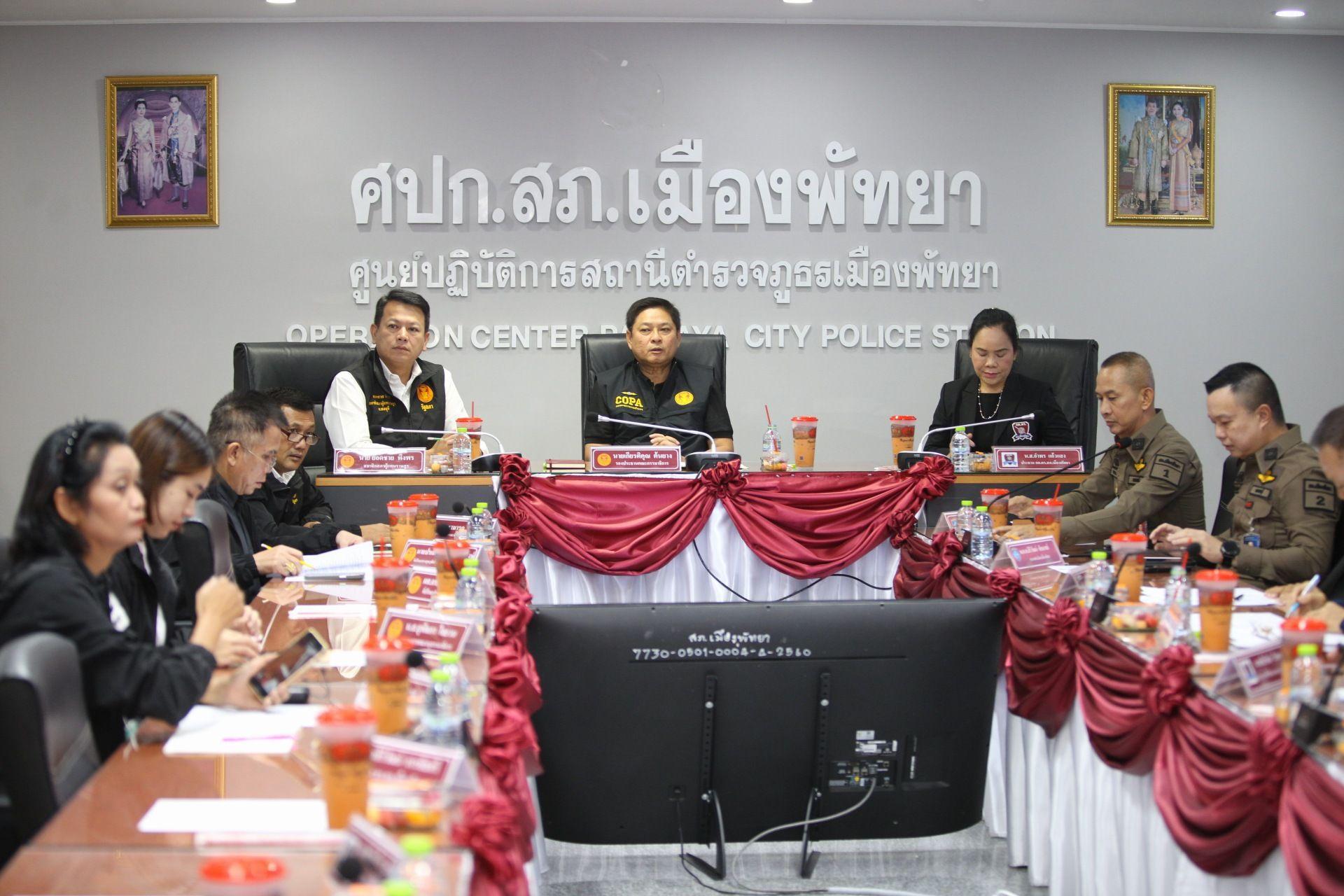
Mr. Kiatikun Tonyang, Vice Chairman of the House of Representatives’ Police Committee, led the delegation to Muang Pattaya Police Station. The visit included Ms. Amporn Kaewsang, Chairperson of the Muang Pattaya KTTR, Police Colonel Anek Sathongyu, Superintendent of Muang Pattaya Police Station, police officers, members of the local KTTR, and representatives from the Chonburi Provincial KTTR.
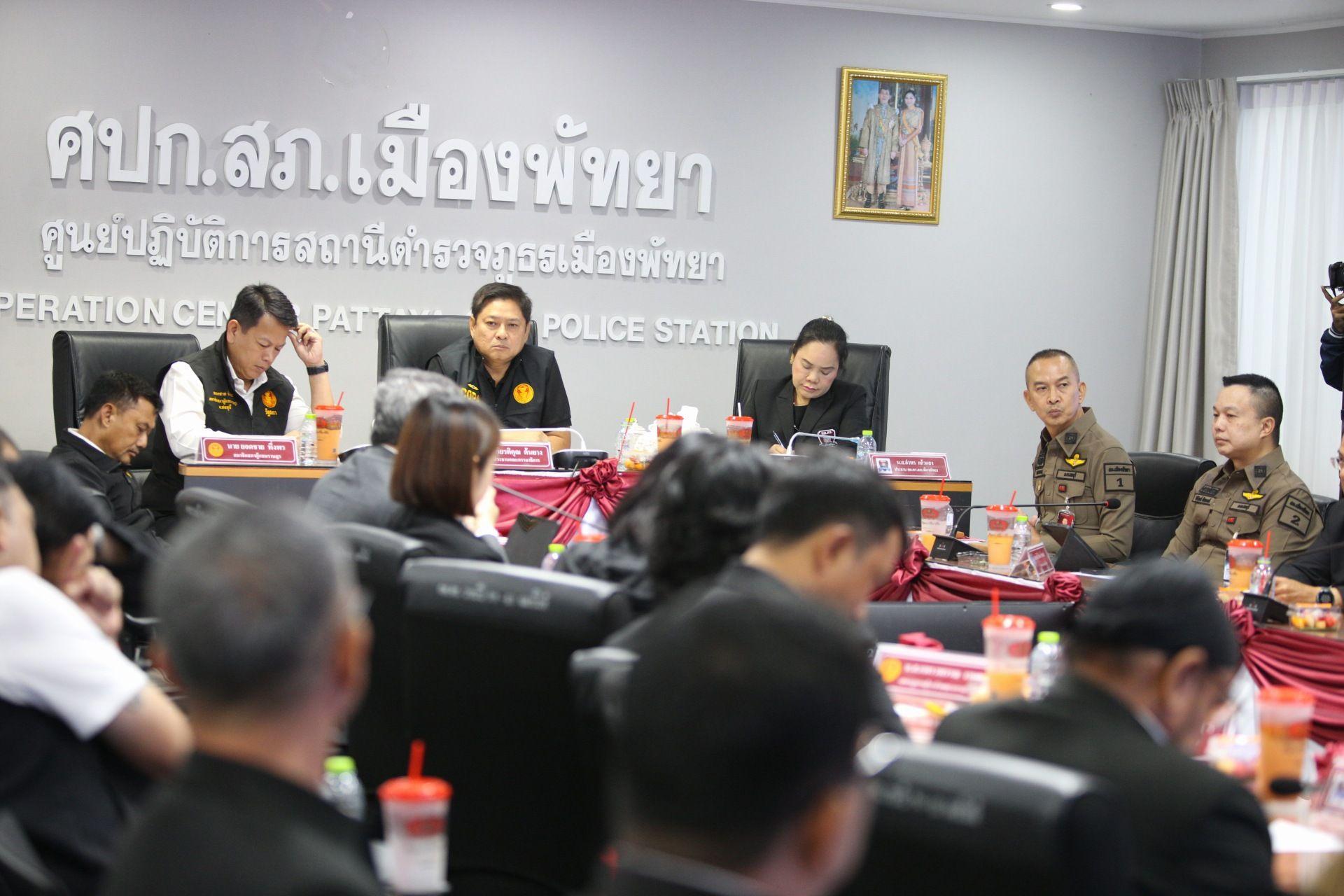
Mr. Kiatikun stated that the visit was to study the problems, powers, structure, and development approaches for KTTR at all levels, while gathering facts and recommendations from practitioners. The goal is to prepare a report and proposals for relevant agencies to enhance public participation in monitoring police organizations.
KTTR serves as a vital link between police and the public. The committee observed that many KTTR members work on a voluntary basis, sacrificing time, resources, and personal commitments to support police duties through coordination and local resource assistance.

“What we want to push for is the development of KTTR so that they have a clear role, greater efficiency, and earn the faith and trust of the people,” Mr. Kiatikun said. “If KTTR are strong, it will improve the image of the police organization and build concrete cooperation among police, KTTR and the public.”
He added that the study does not seek to diminish the importance of police officers but takes a holistic view of the justice process. Police form the critical starting point of the justice system before cases proceed to prosecutors, courts, and correctional agencies. Officers currently face constraints in manpower, investigating officers, housing, equipment, and other resources. In many areas, KTTR have helped support and alleviate these issues.
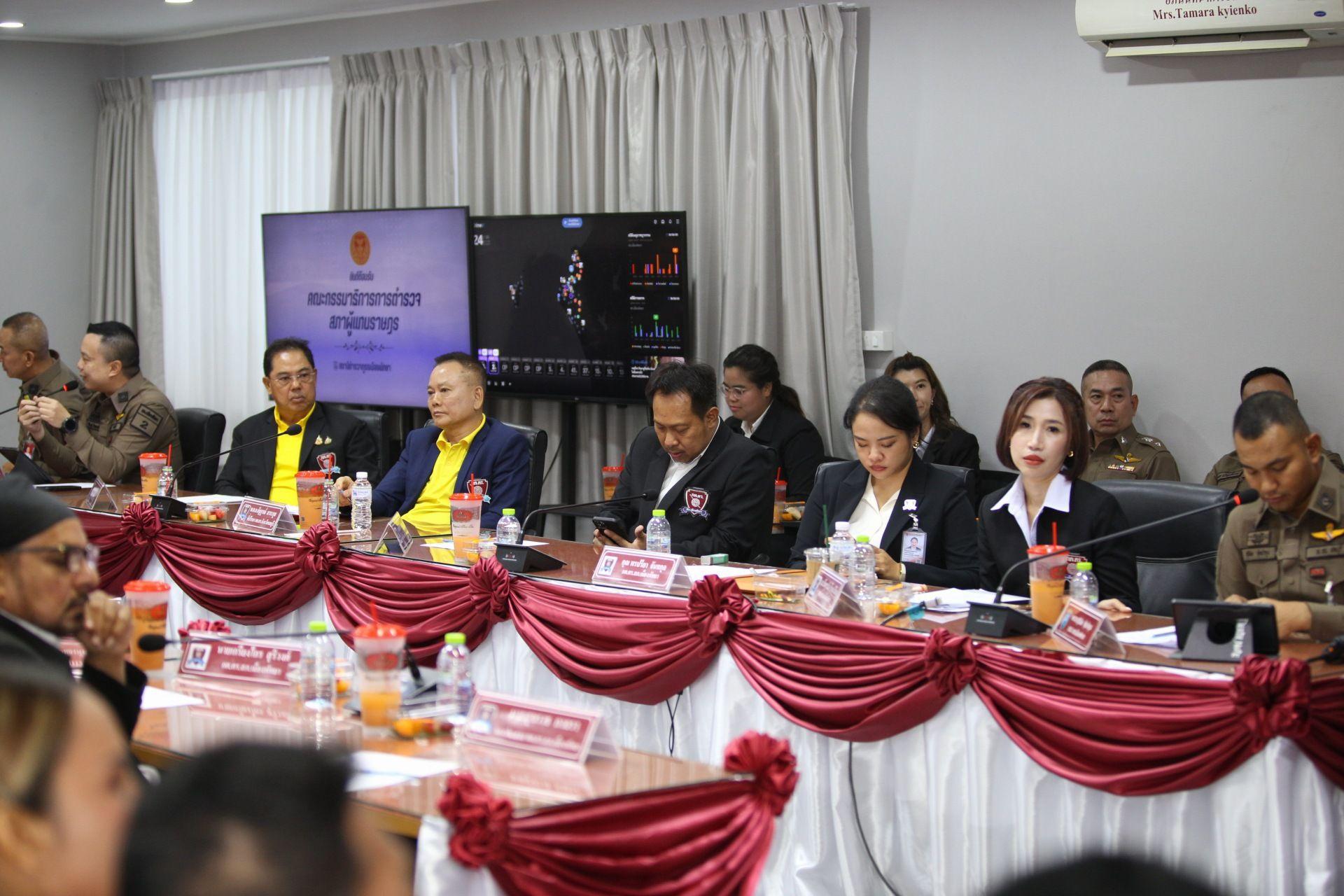
Ms. Amporn Kaewsang noted that all members of the Muang Pattaya KTTR undergo appropriate screening. Most are volunteers motivated by a spirit of sacrifice and a commitment to the public good. They act as a central hub for coordinating cooperation between residents and police.
She added that most participants join out of faith and confidence in the police, ready to support operations and convey public opinions and concerns so that police work aligns with local needs, ultimately building trust, safety, and community strength.
Police Colonel Anek Sathongyu presented the station’s innovative approaches to security and crime prevention. Citing the crime triangle theory which is focused on offender, victim, and opportunity, he explained that Muang Pattaya Police Station uses data and technology to reduce opportunities for crime and deploy patrols more effectively to high-risk areas and times.
Previously, officers relied on a “crime clock” for statistics, but the system had limitations in providing an overall picture or enabling efficient historical comparisons. The station has since upgraded from a digital crime clock to a web application for crime analysis.
The system collects incident data, displays statistics, analyzes trends, and informs checkpoint placement and patrol planning. Officers can report incidents via voice input through the web app, with AI categorizing the information for analysis and prevention planning.
It also allows commanders to set checkpoints and direct patrols to risk areas. Officers must log into the system before duty, with check-in and check-out features that include real-time photos, enabling supervisors to verify presence and evaluate performance.
“This system helps us use our limited police resources in the right place at the right time according to crime trends,” Police Colonel Anek said. He explained its application in specific problem areas, such as school shooting risks or drug issues in Jomtien Sois 2 and 3, where commanders can directly assign and monitor patrols.
Results show significant improvements: assault and theft cases have nearly halved in Pattaya according to police, while motorcycle thefts dropped also. Although crime cannot be eliminated entirely, data-driven prevention that reduces opportunities has lowered trends. Police noted that although certain recent crime stories had gone viral giving what they called a false impression of rising crime, overall crime trends were dramatically down in Pattaya due to AI system usage and that the city was extremely safe.
The station is also developing systems to address missing persons and at-risk individuals, with plans to link databases to AI smart cameras in the area for better tracking and future prevention.
Police Colonel Anek stressed that tourist safety remains the highest priority, as preventing incidents is essential both for public security and for Pattaya’s reputation as a major Thai tourism destination.
The Police Committee’s visit facilitated the exchange of working approaches among legislators, police, and the public sector. Insights gathered will support efforts to develop KTTR into more efficient, transparent mechanisms that strengthen the connection between citizens and the police while building greater public confidence.