


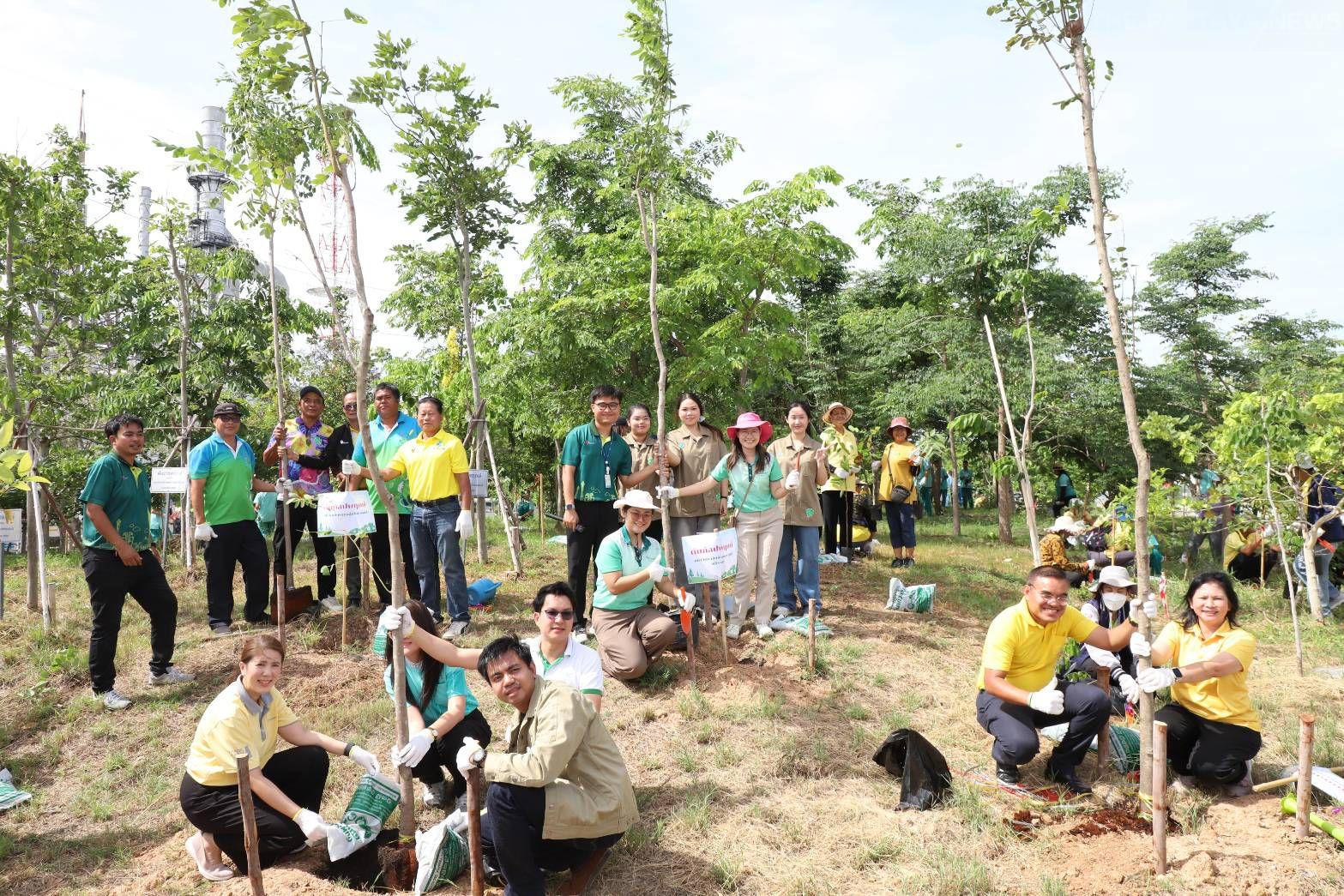
Chonburi, Thailand – June 5th 2026 – Thai Oil Group, along with Laem Chabang City Municipality, Kasetsart University Sriracha Campus, community committee leaders, and residents from 10 surrounding communities, organized a tree-planting activity to expand green spaces and restore the local ecosystem. The event, held at Ban Thung Community Forest Garden in Sriracha District, Chonburi Province, marked World Environment Day 2026 and is to promote sustainable environmental stewardship through community participation.
On Friday, participants planted 100 additional and replacement trees around the perimeter and along the fences of the community forest. These trees are estimated to absorb approximately 0.95 tons of carbon dioxide equivalent. This seeks to enhance biodiversity, improve the landscape, and create a more continuous green corridor in the area.
In addition to tree planting, the event featured environmental exhibitions and educational activities designed to raise awareness about natural resource conservation and encourage responsible resource use among local residents and youth.
Mr. Praprut Phakpha, representing Thai Oil Group, stated that the company is committed to conducting business alongside environmental and community care under its sustainable development framework. “Green spaces around the refinery are vital to the quality of life of local people,” he said. “We therefore continue to promote community involvement in the protection, maintenance, and restoration of natural resources.”
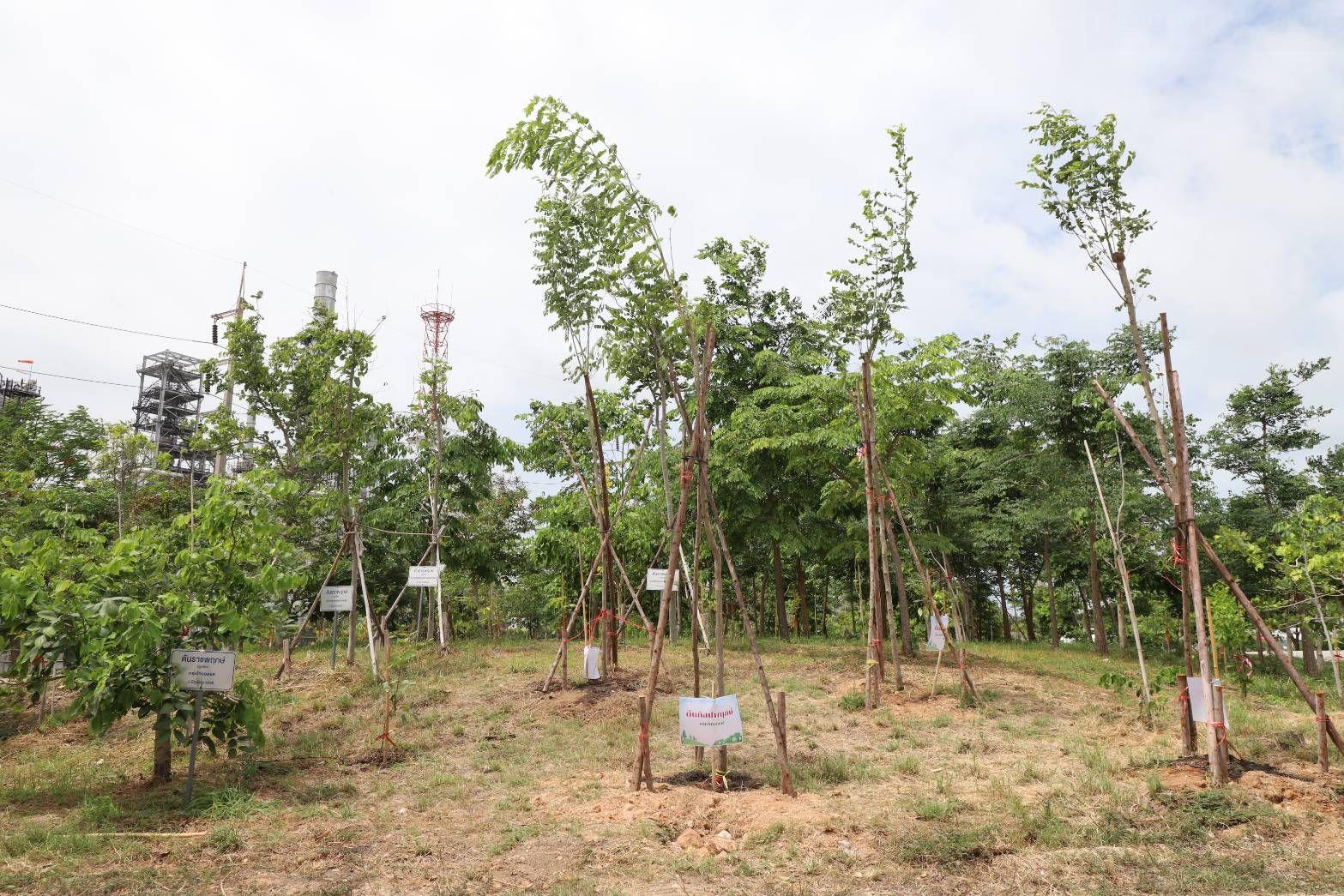
The Ban Thung Community Forest is one of the key green areas for communities surrounding the refinery. Since 2020, Thai Oil has worked with community committees, Laem Chabang Municipality, and relevant agencies under a “three-way collaboration” model to develop and restore the site. The forest now serves as both a learning center and a recreational natural space for community use.
Over the past six years, this partnership has led to continuous tree planting and area development. To date, approximately 455 trees have been planted, with a combined capacity to absorb about 20.34 tons of carbon dioxide equivalent. The efforts have significantly increased green coverage, restored the environment, and improved living conditions for residents.