


Chonburi, Thailand – In a major breakthrough for wildlife conservation, Khao Kheow Open Zoo has successfully hatched a Giant Ibis chick from an incubator for the first time in its history, sparking excitement across Thailand’s conservation community.
The achievement comes after more than 20 years of dedicated research and breeding efforts for this critically rare species, which has not been recorded in the wild in Thailand for over 40 years.
Mr. Narongwit Chodchoi, Director of Khao Kheow Open Zoo, announced the success, describing it as a major step forward in the conservation of Thailand’s endangered wildlife.
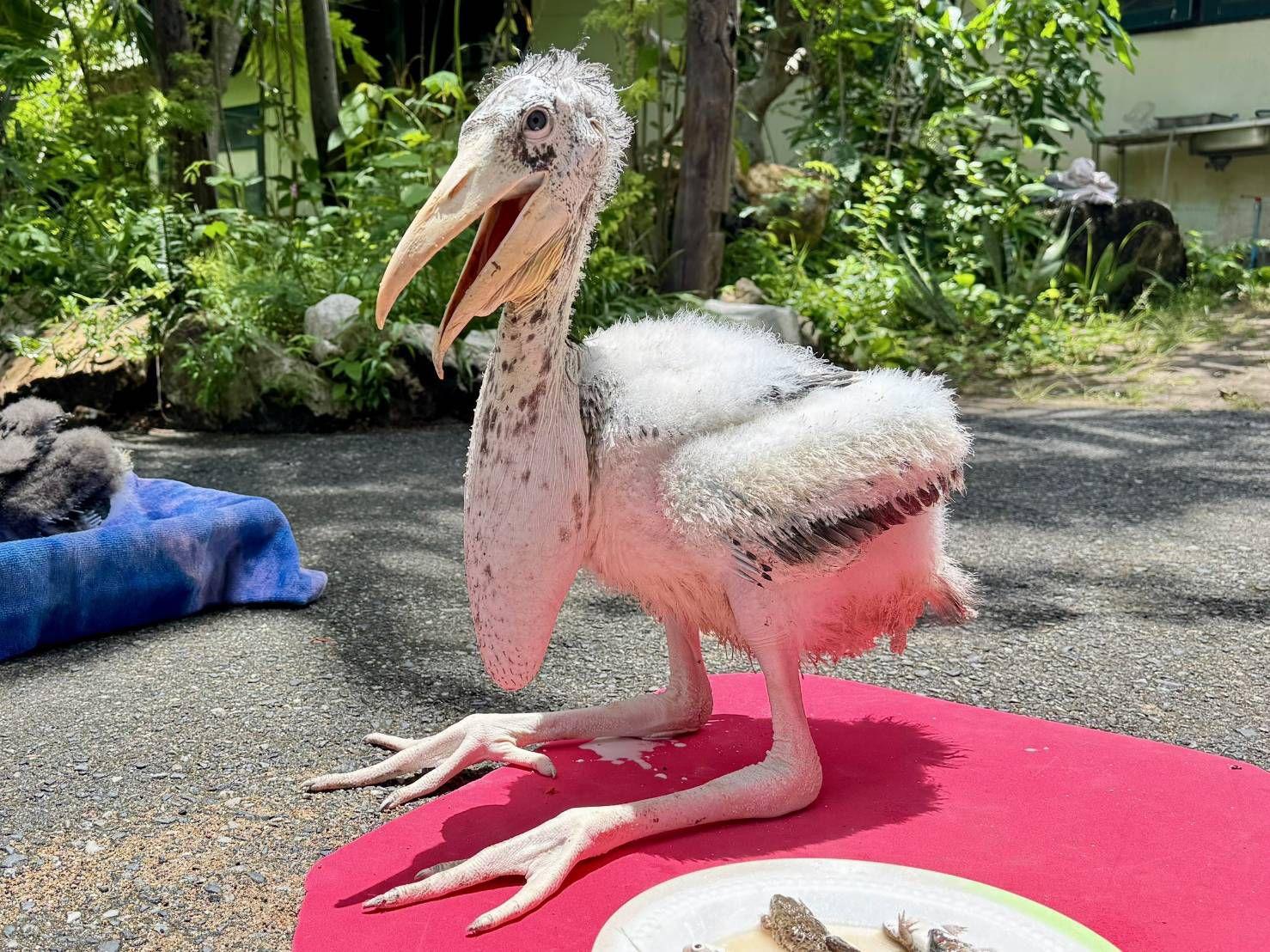
“The breeding of the Giant Ibis marks another important milestone in our efforts to protect rare and endangered species,” Mr. Narongwit said. “It has taken over two decades of studying and carefully managing the birds’ breeding behavior to reach this point.”
The Giant Ibis is considered one of Thailand’s rarest birds. Once native to the country’s forests and wetlands, it has vanished from the wild here for more than four decades. Today, the species survives only in captivity at a few facilities. Under the Zoological Park Organization of Thailand, only one breeding pair exists in the country, both under the care of Khao Kheow Open Zoo.
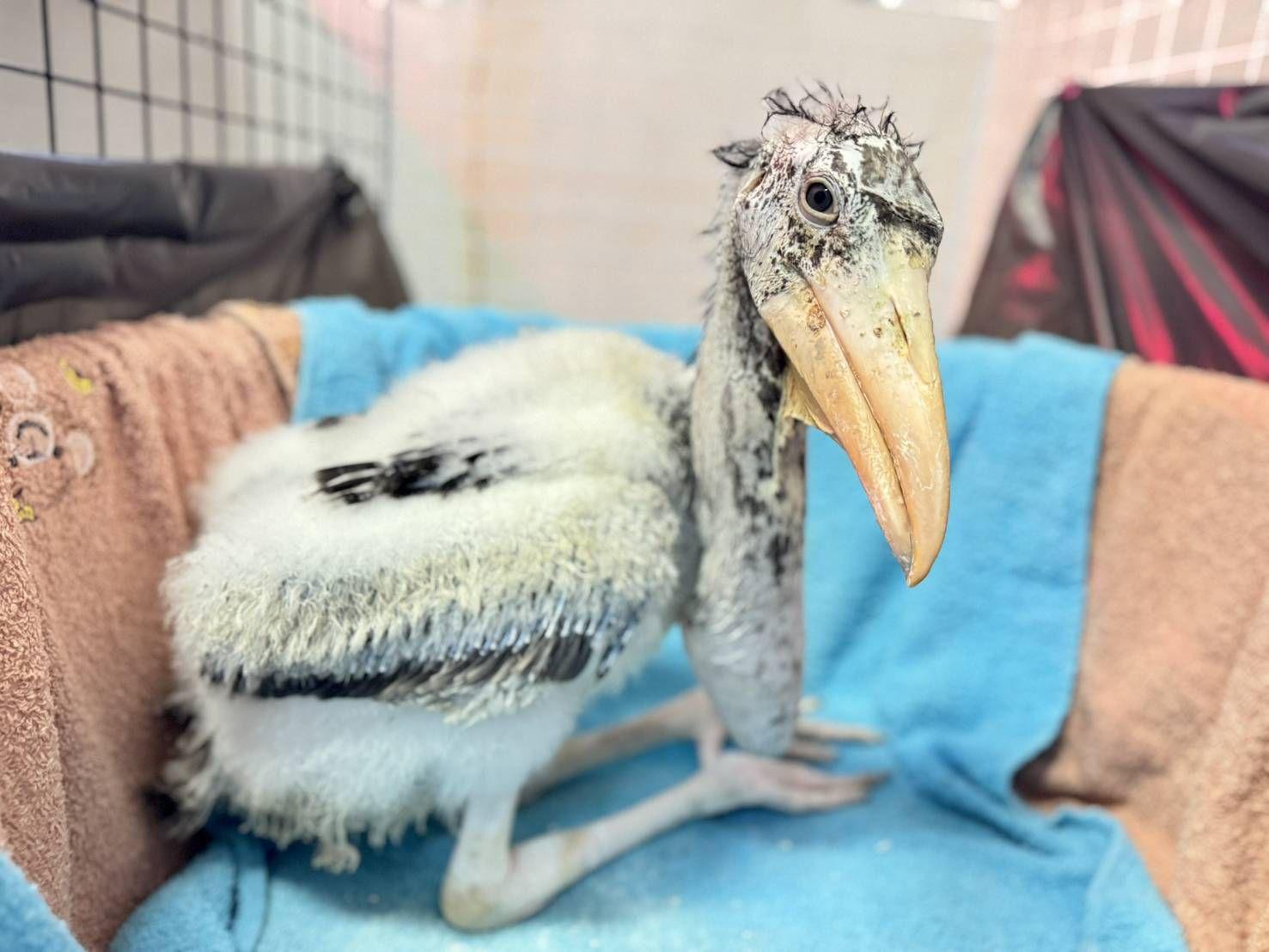
The successful hatching resulted from the close work and round-the-clock dedication of the zoo’s staff, who meticulously managed the birds’ diet, living environment, and natural behaviors. The chick’s emergence from the incubator represents a vital new hope for building a sustainable captive population of this species.
Mr. Narongwit added that the accomplishment not only demonstrates the zoo’s expertise in conserving rare wildlife but also serves as a powerful catalyst for further research and improved conservation strategies for Thailand’s threatened species.
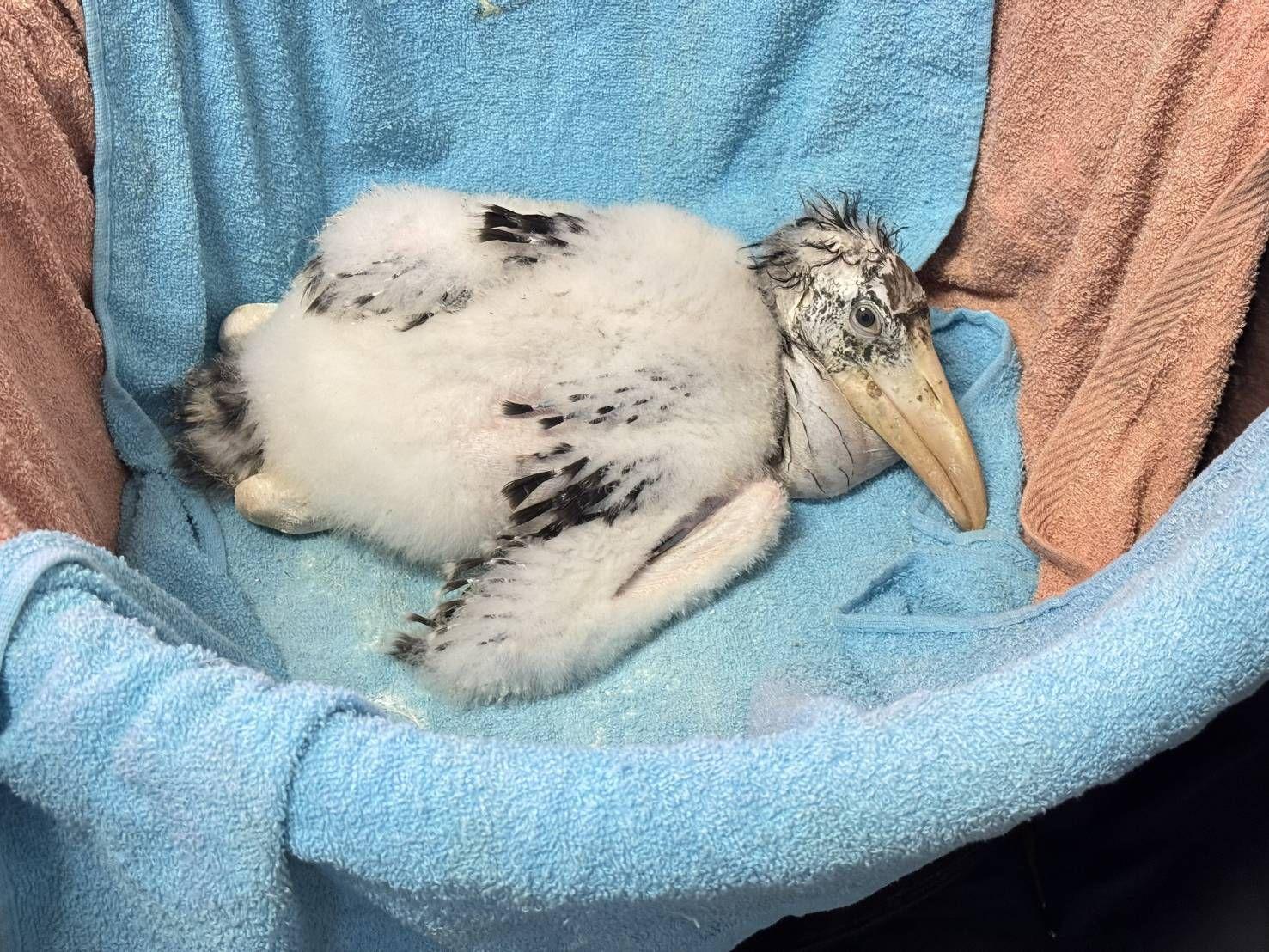
Members of the public are invited to follow the chick’s growth and development through Khao Kheow Open Zoo’s on-site exhibits and official communication channels. Zoo officials hope the milestone will raise public awareness and support for the conservation of Thailand’s rare and endangered wildlife.